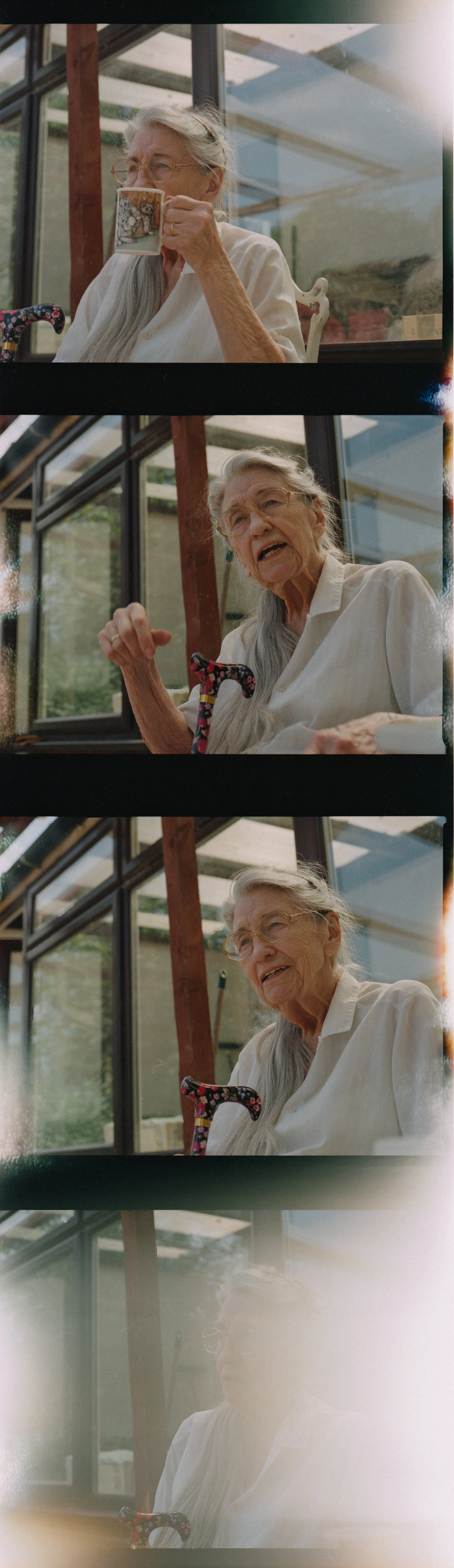
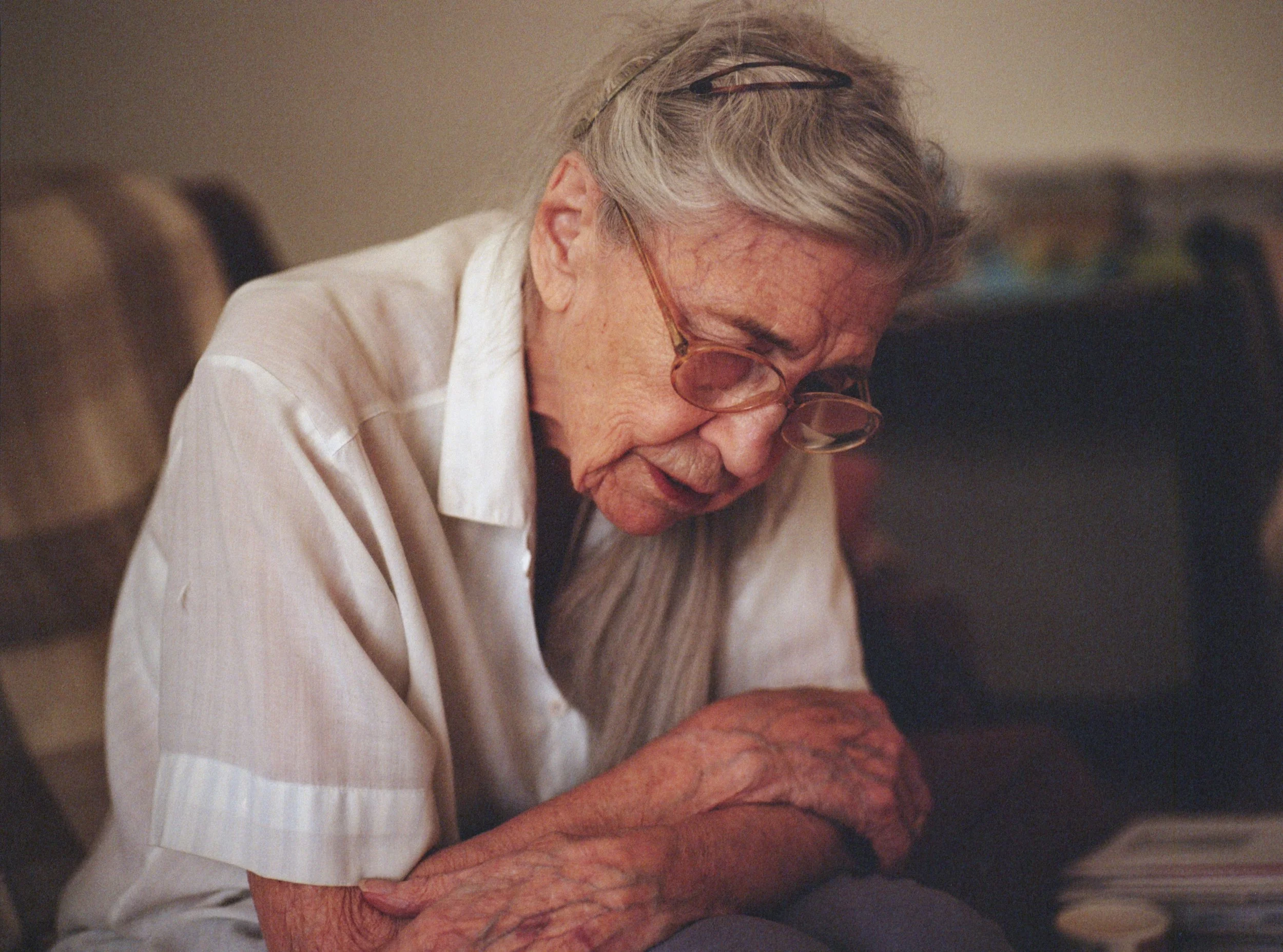
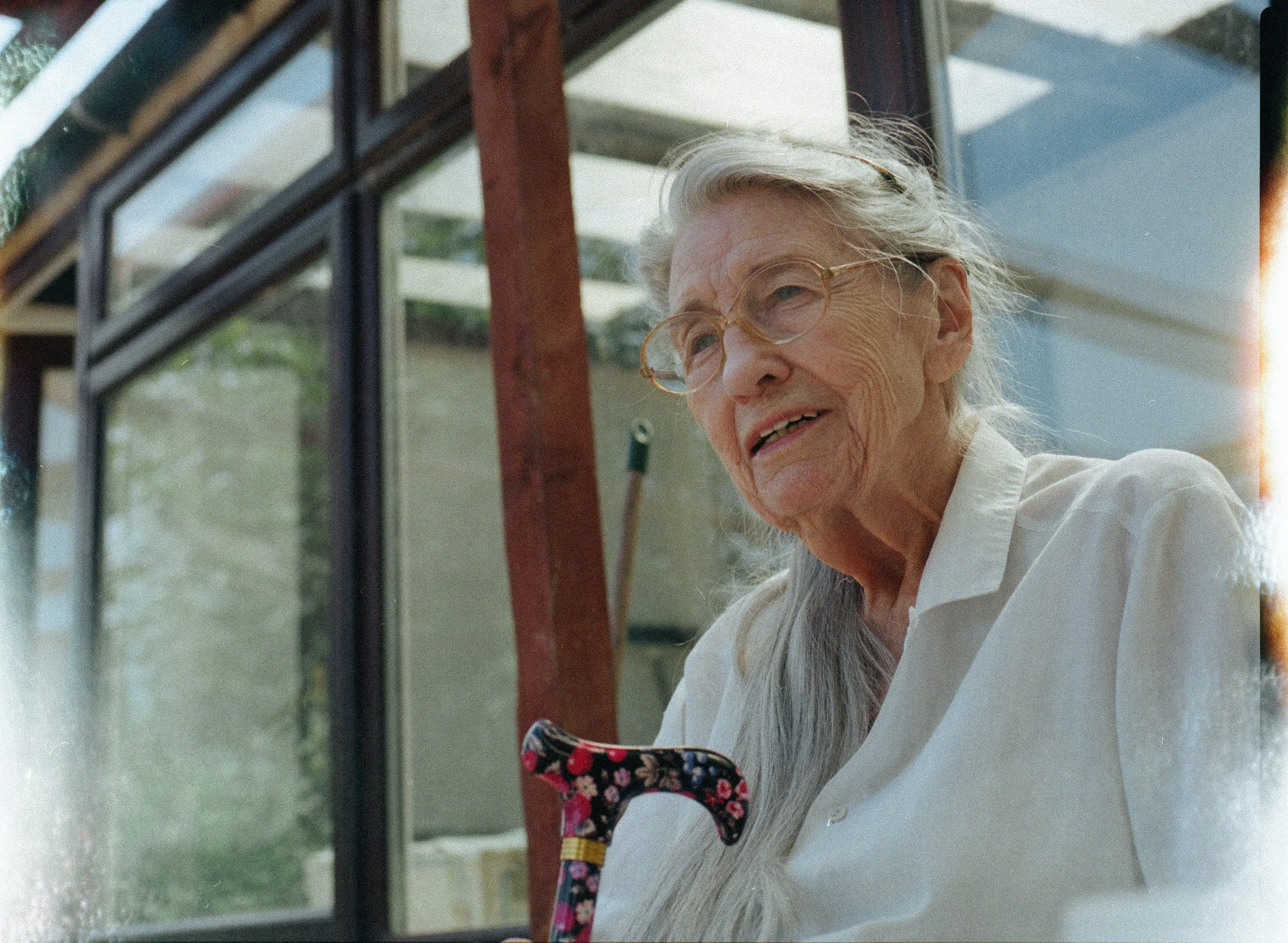
A former singer now living with dementia, photographed by her granddaughter on film. Portraits, still lifes and family archives explore what remains of a woman once defined by being seen, as memory fades and invisibility sets in.
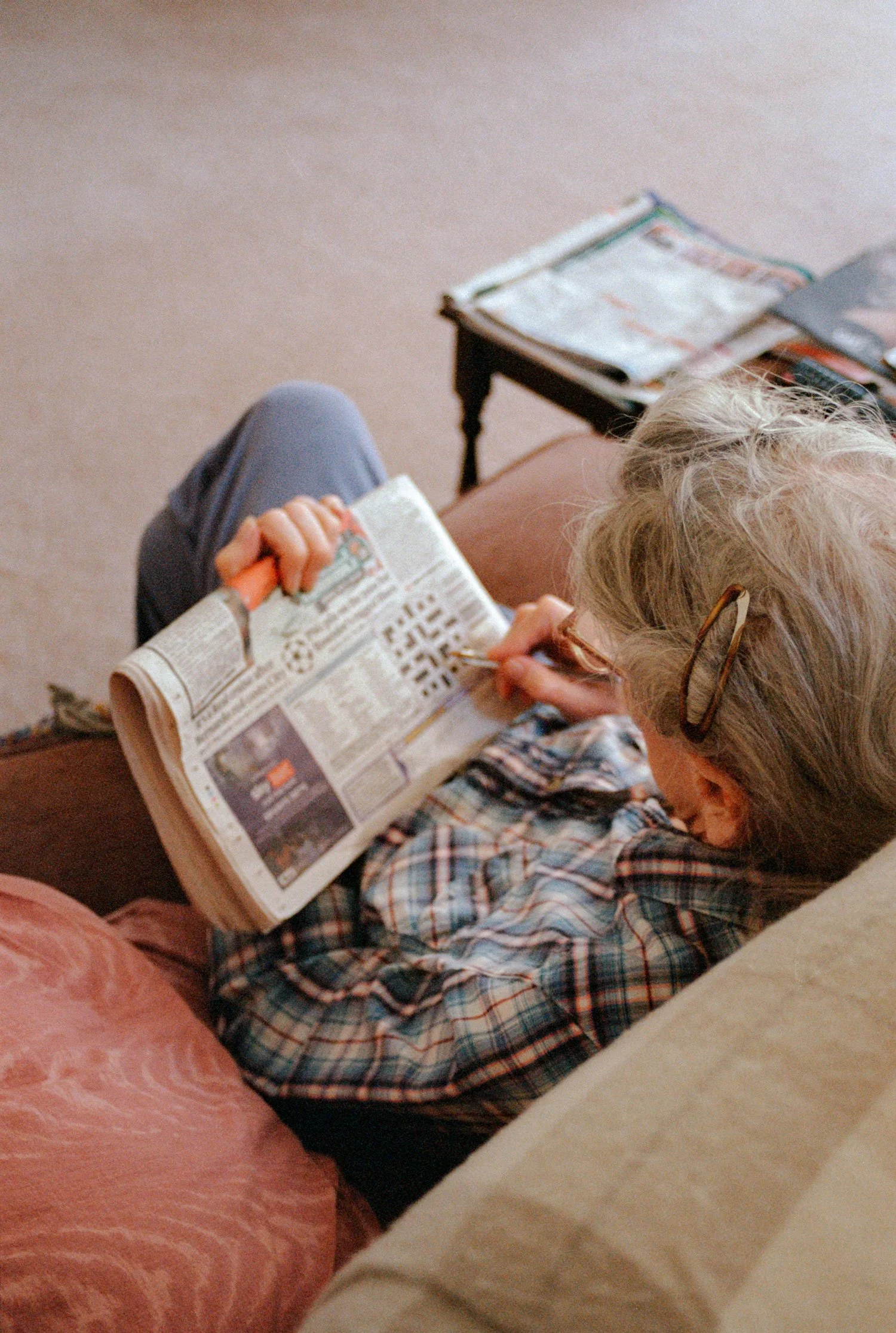
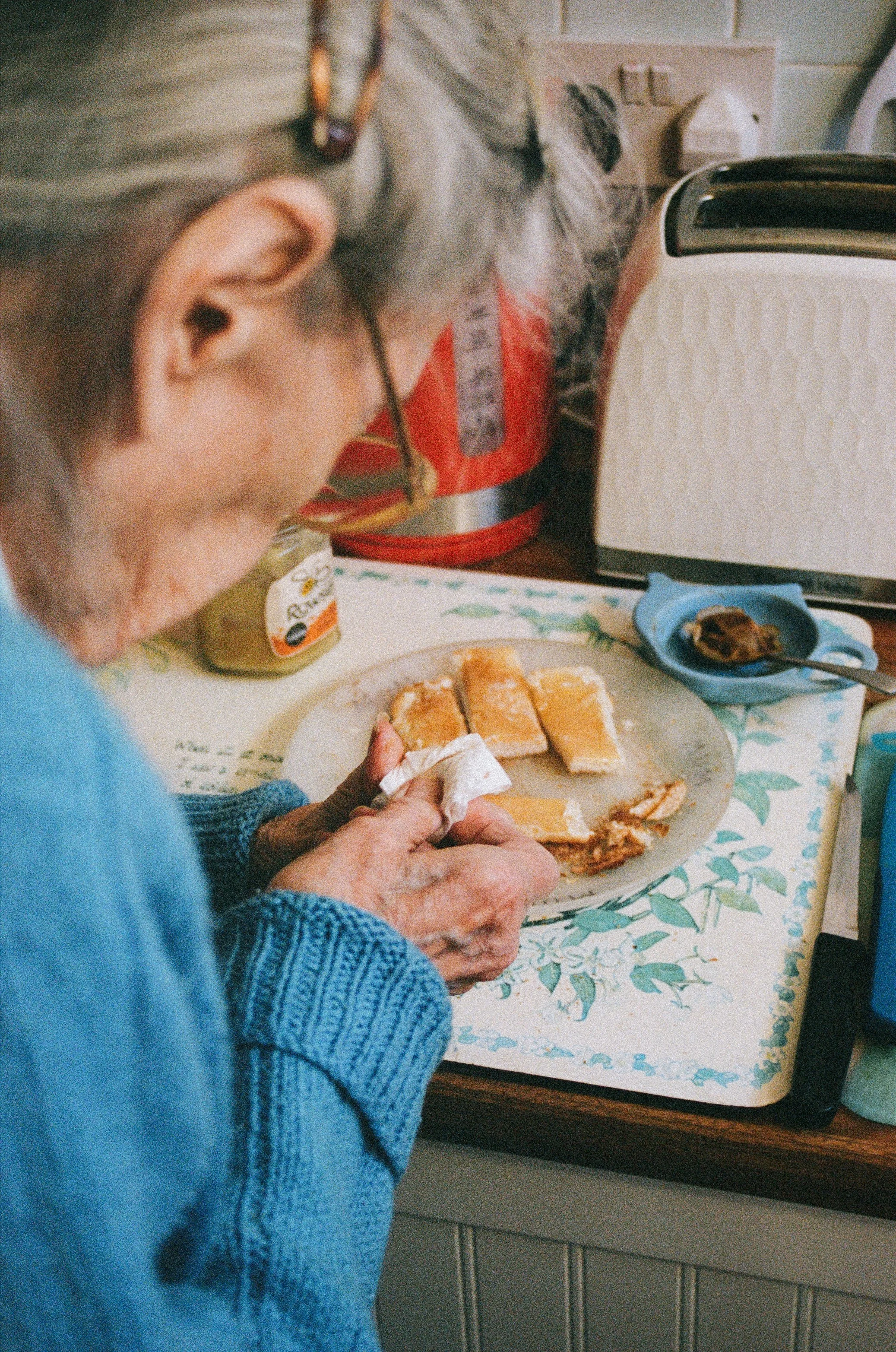
An Afternoon Round My Nan’s is an ongoing photographic series about my nan, a former singer and performer now living alone with dementia. Made on film over repeated visits to her home, it asks what remains of a woman’s identity when the memories that defined her begin to fade.
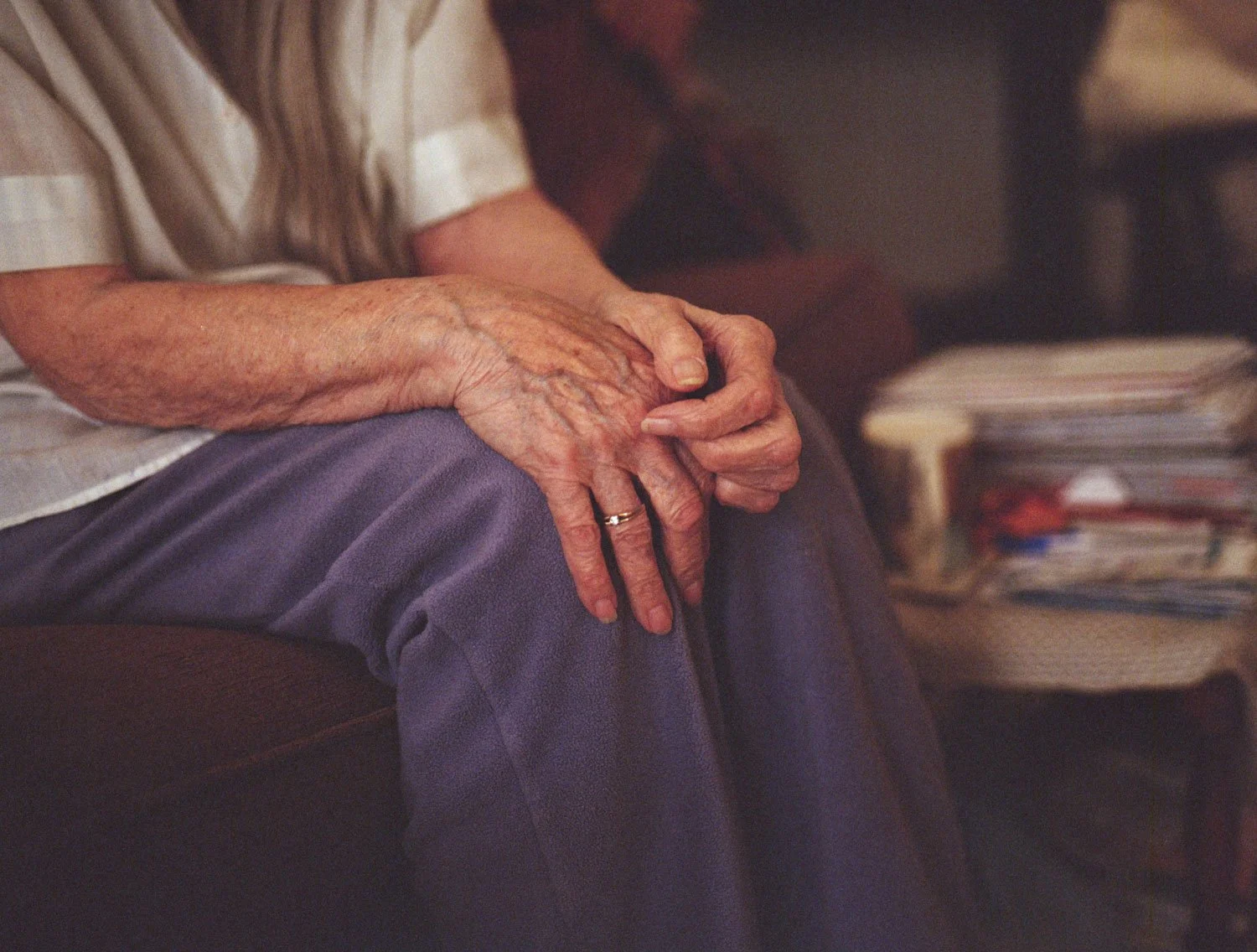
My nan lived the most fabulous life as a singer and performer, always surrounded by colour, costume and stage lights. Today, she lives with dementia and is invisible to most. Whilst her memories of her former days are still so vivid and bright, her current reality is one of fragility, sadness, invisibility and a lack of support. A once vibrant star now sidelined. This tension between visibility and disappearance is the emotional core of the work.
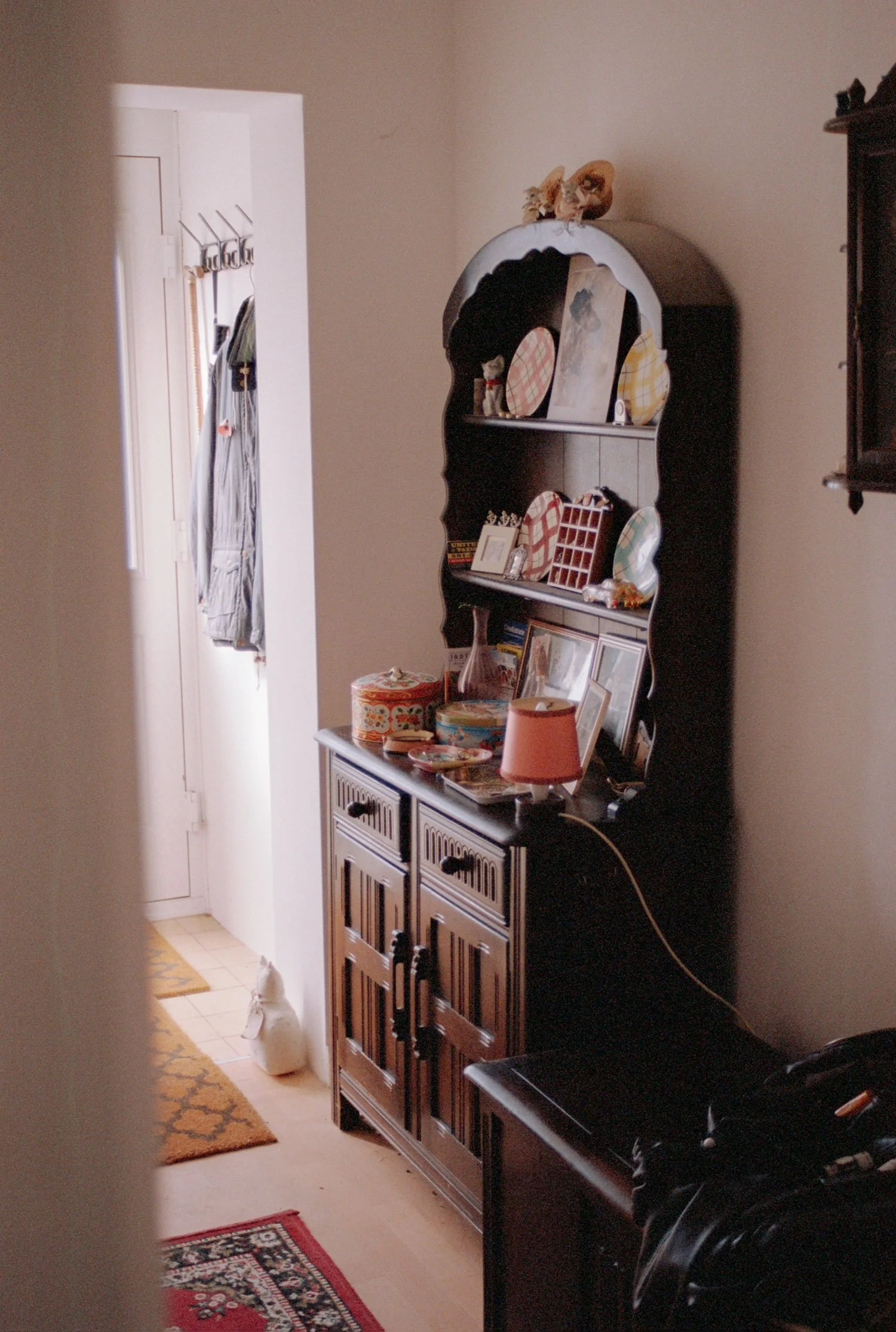
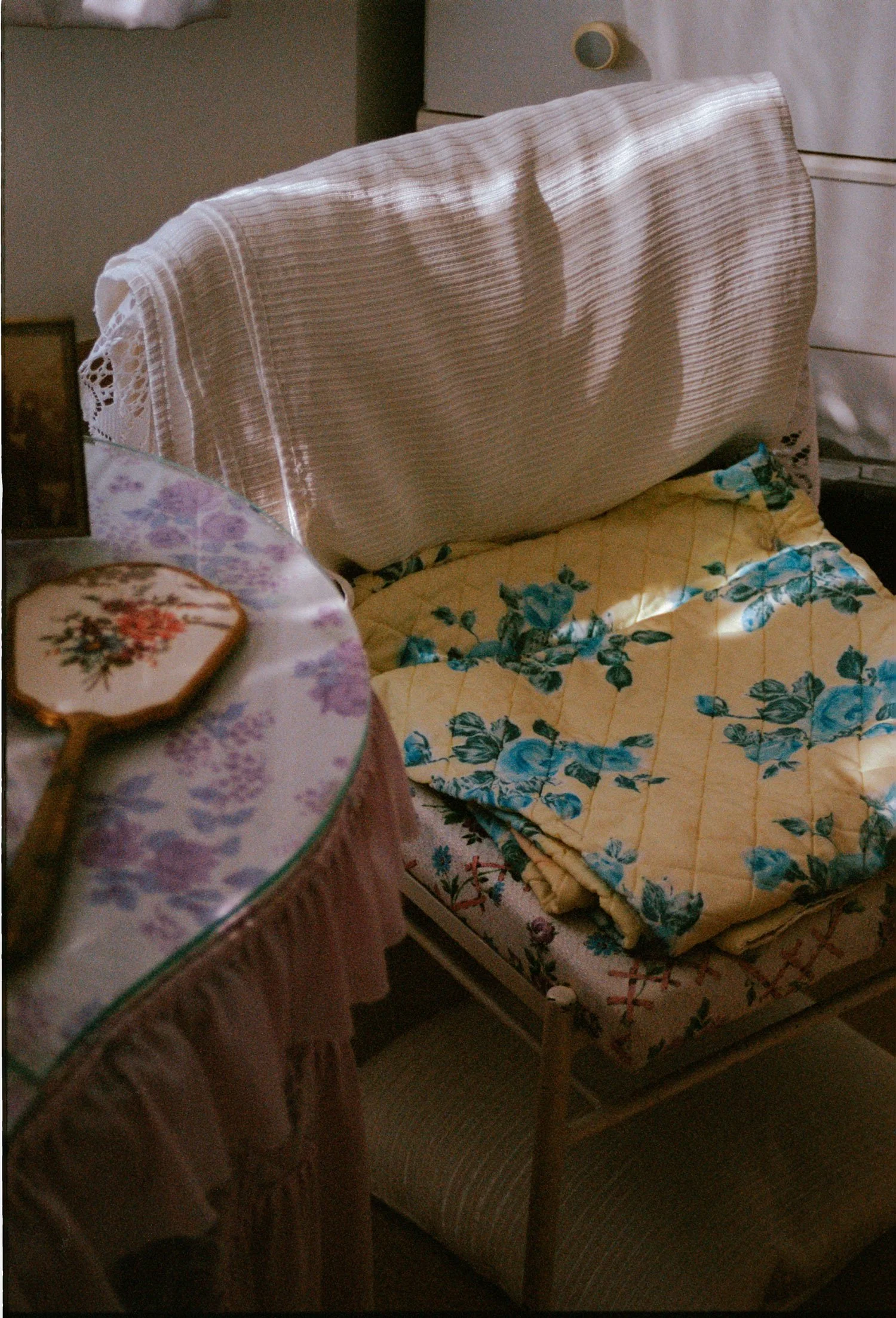
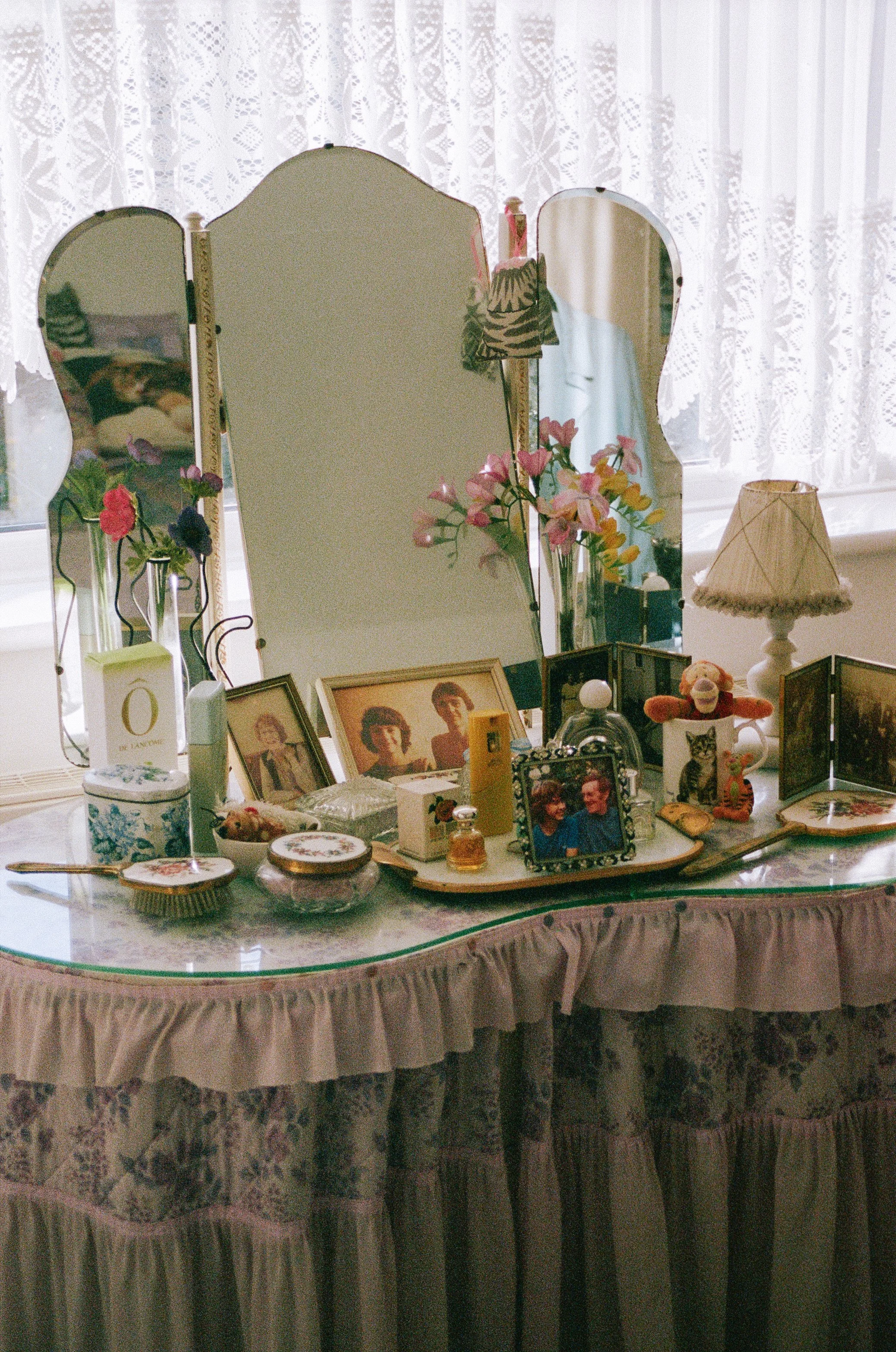
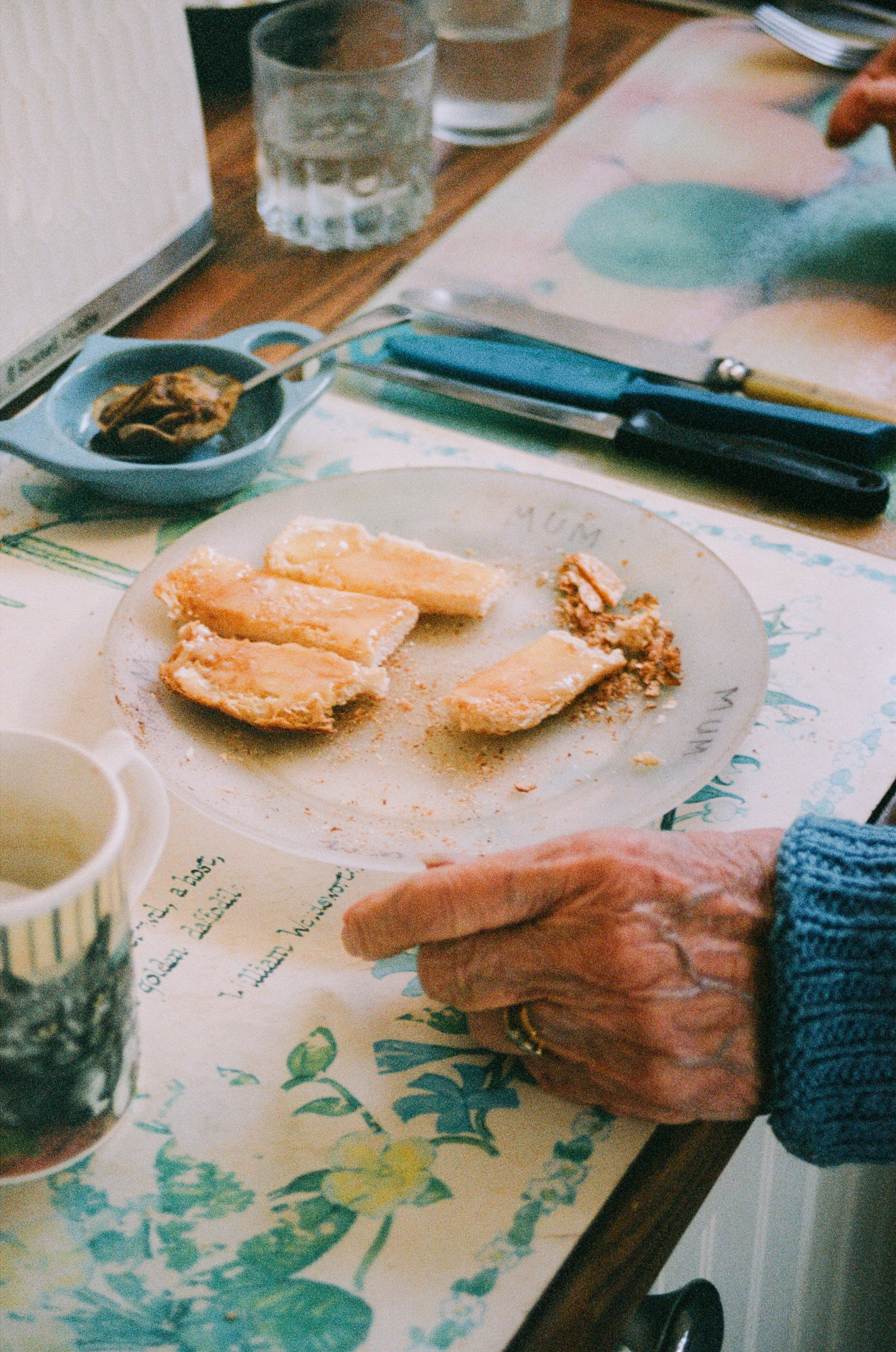
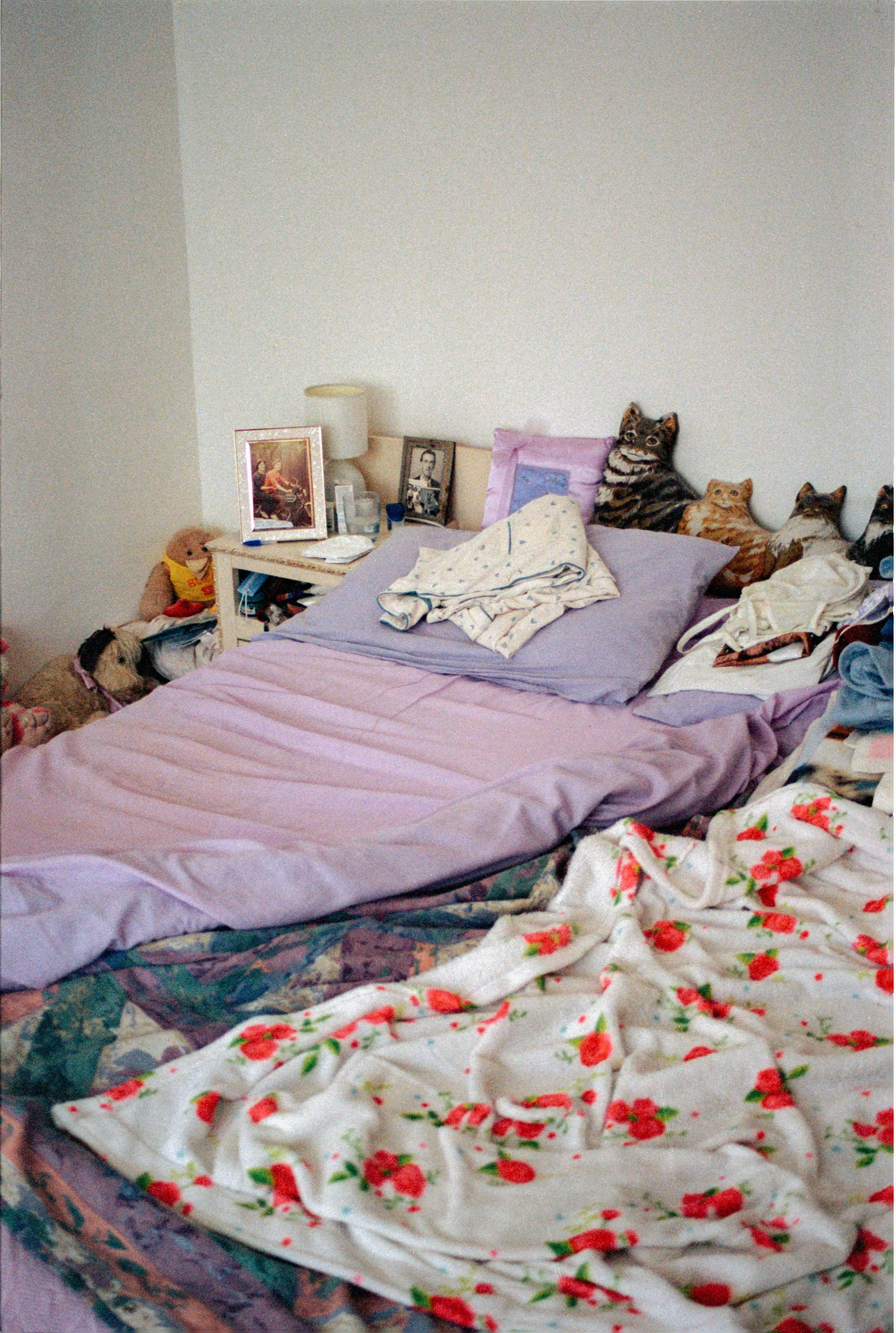
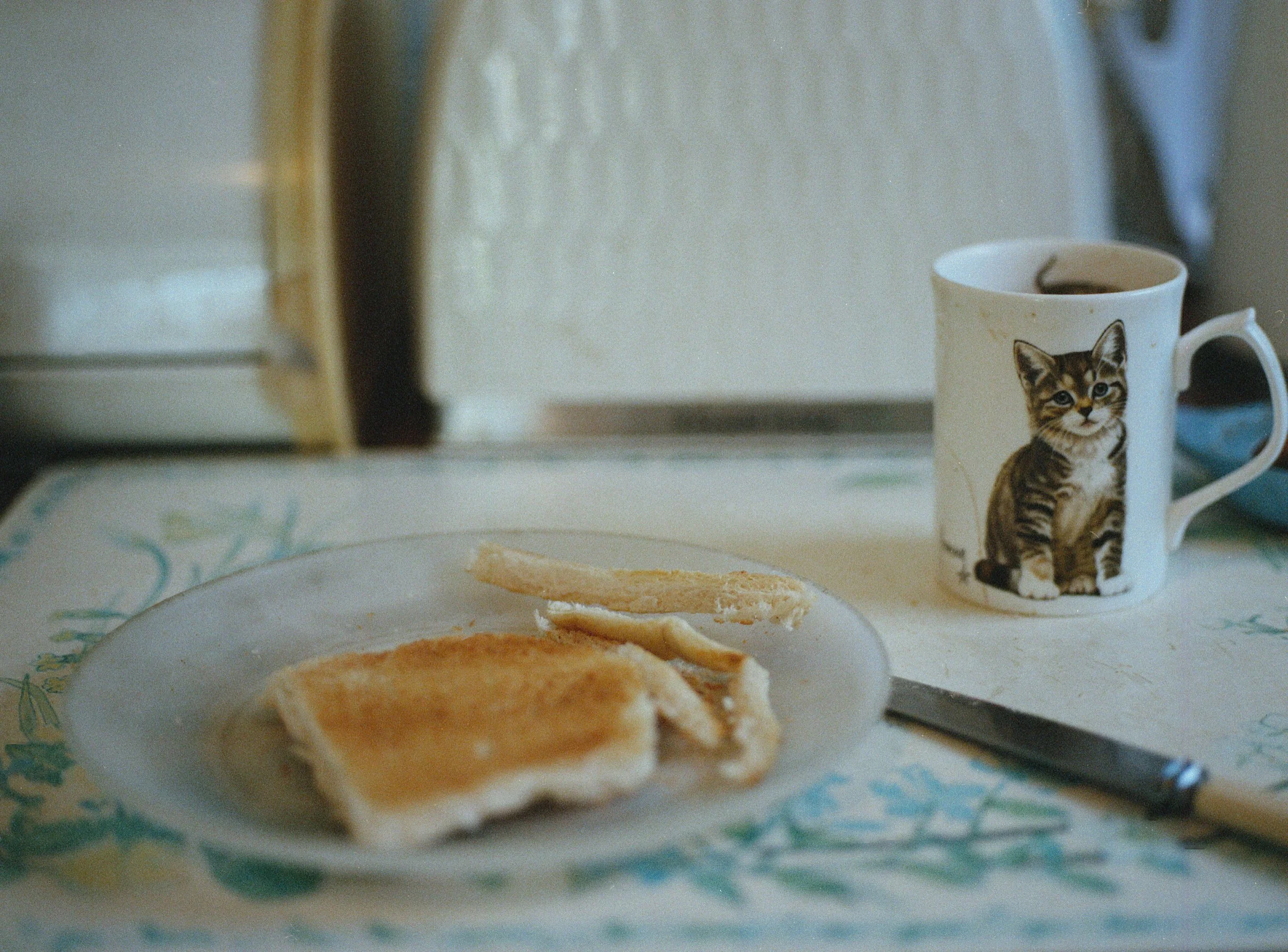
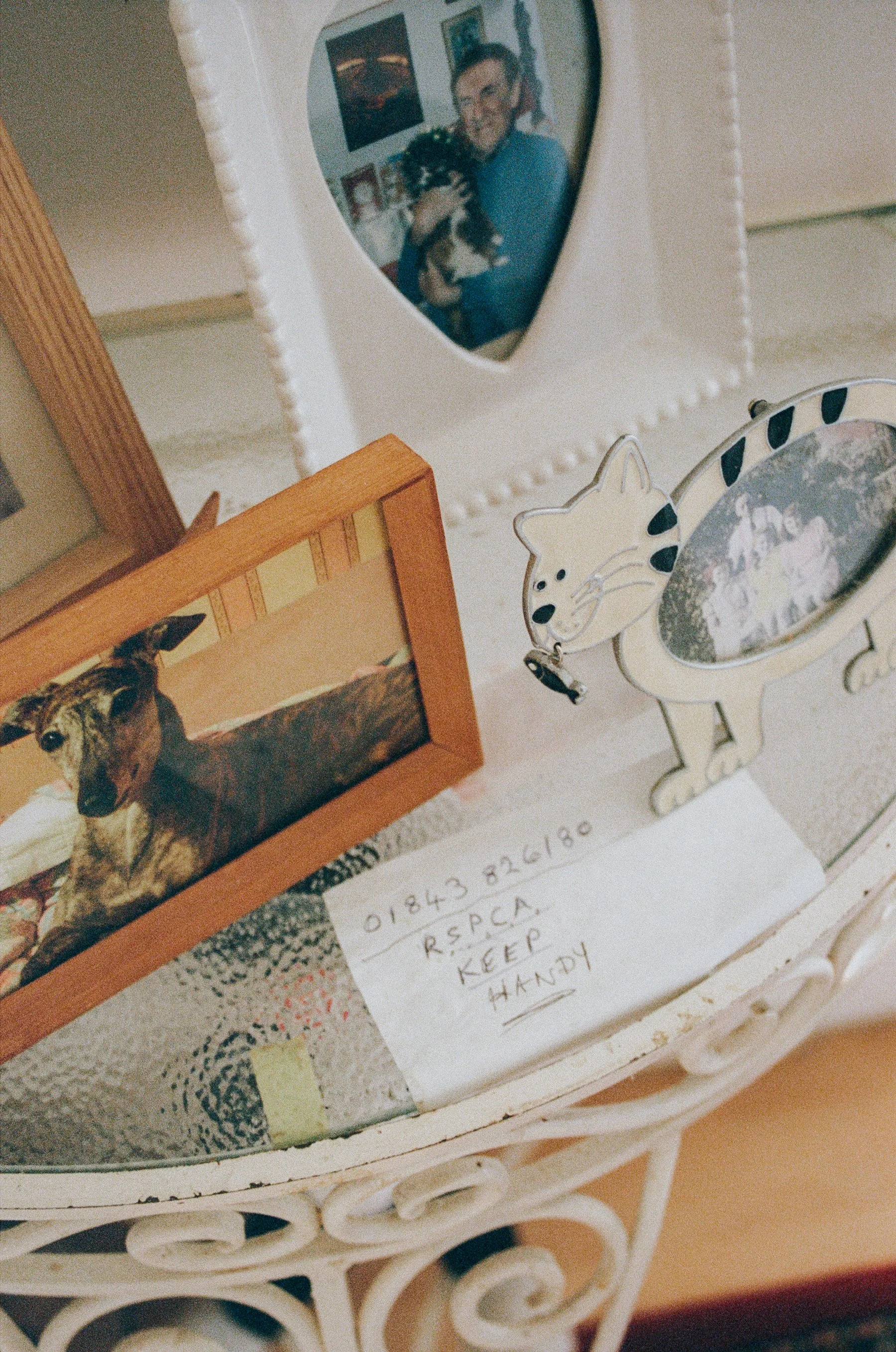
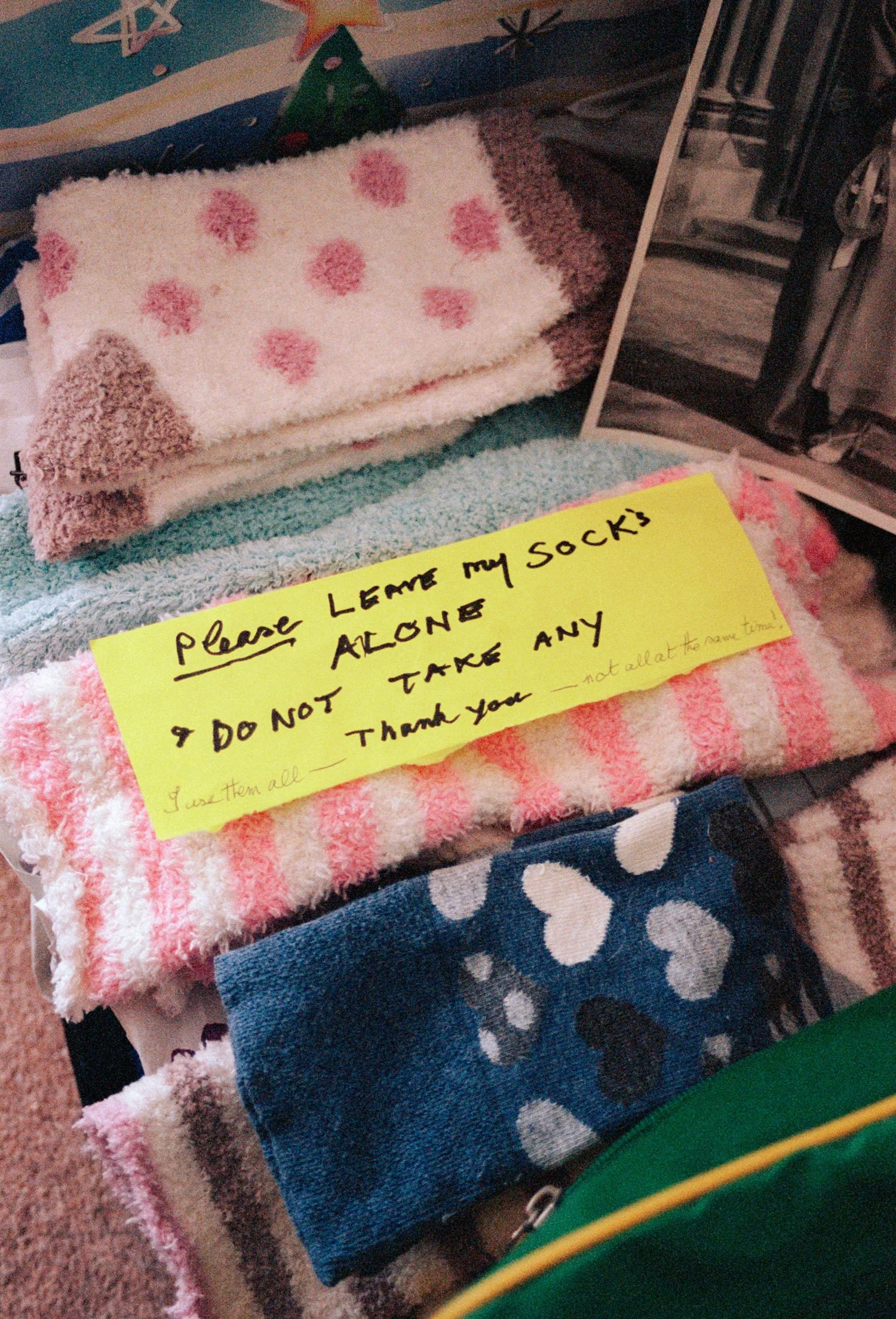
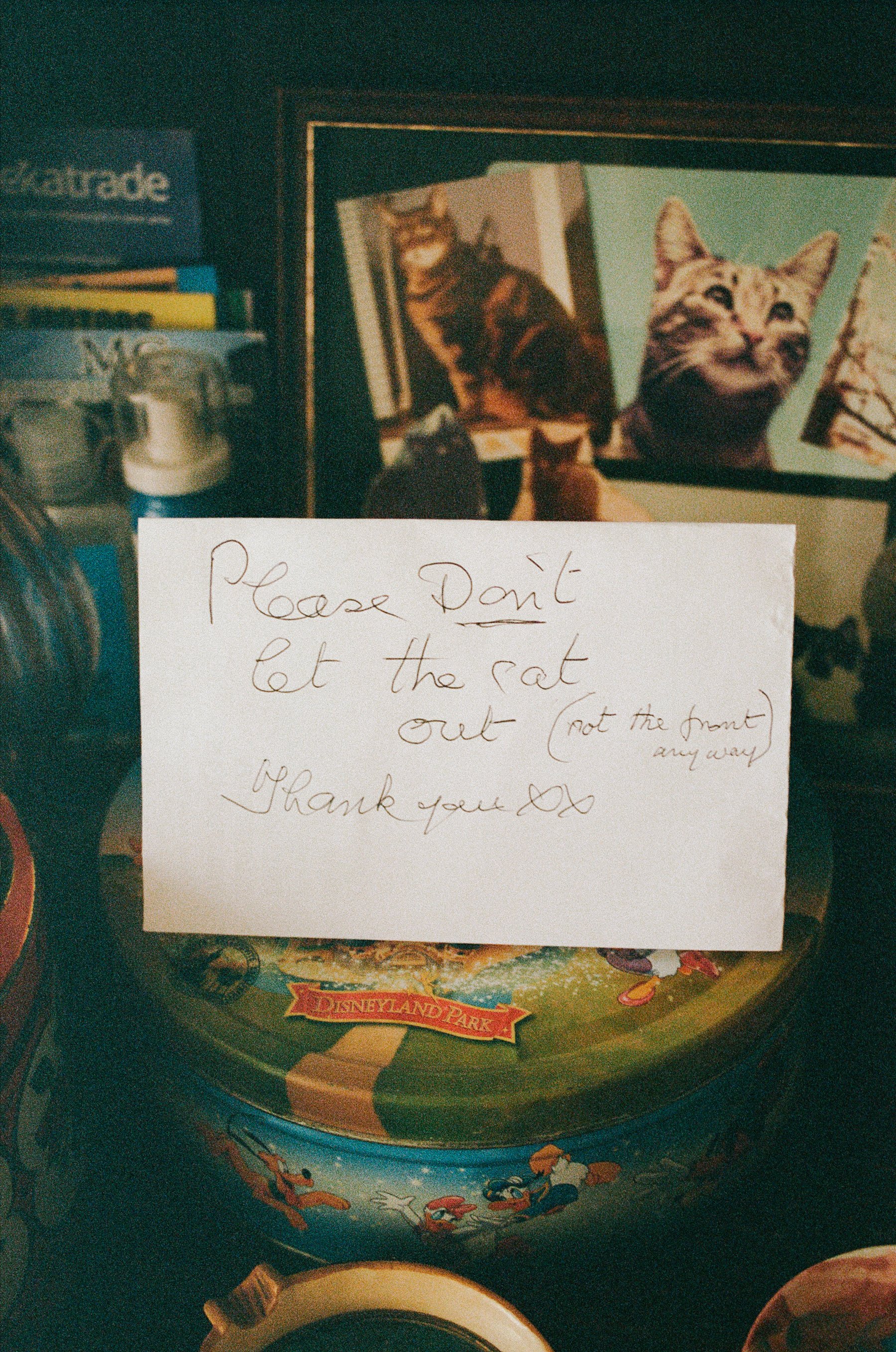
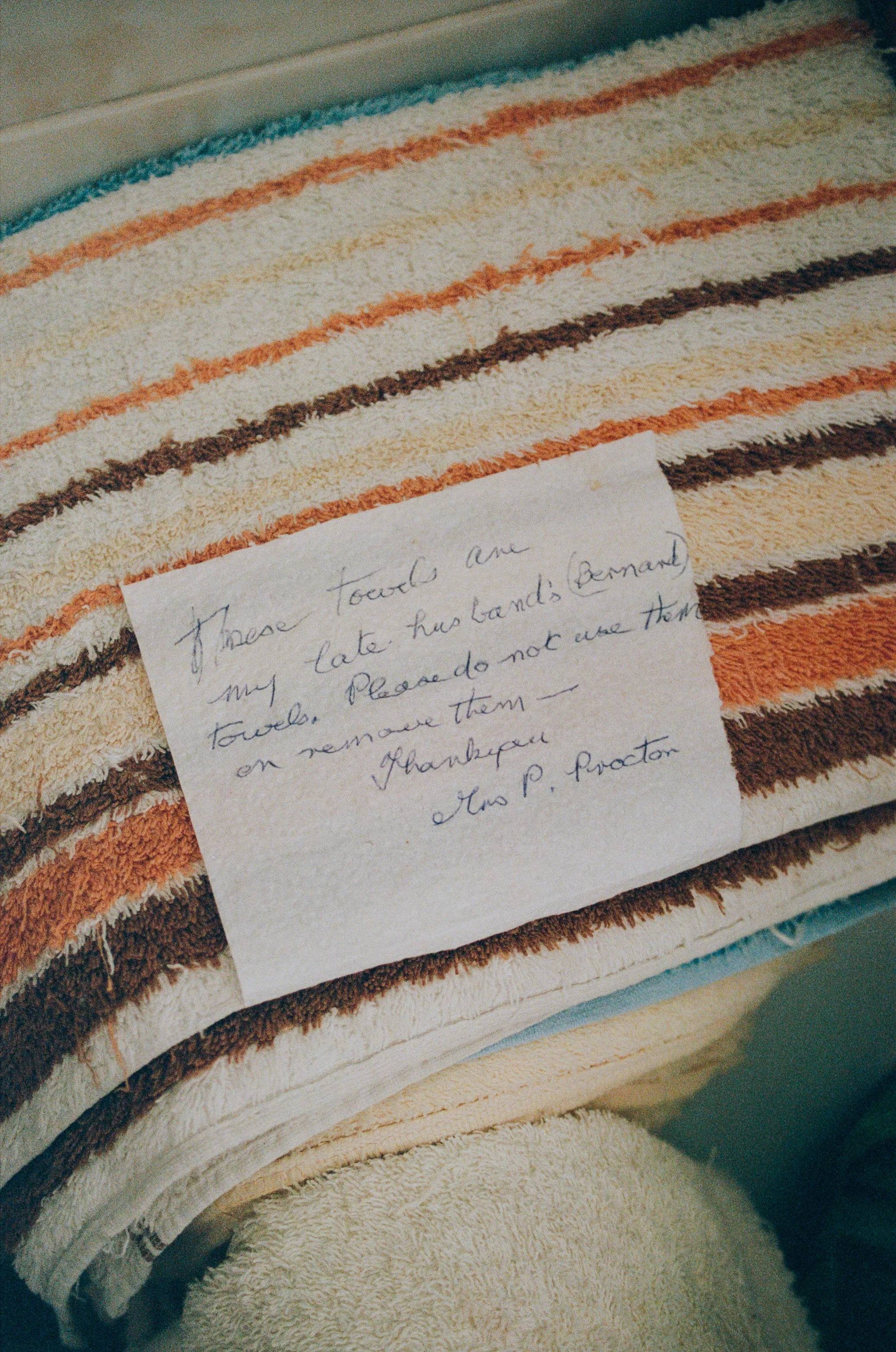
Rather than treating dementia as a clinical condition, I wanted to focus on the small, often overlooked moments that make up an afternoon together: gestures, routines, repetition, the objects she keeps close, quiet exchanges. Meaning builds slowly through these details rather than through staged or singular events. As both photographer and granddaughter, I work from inside the relationship, and the images are shaped by familiarity and trust rather than observation from a distance.
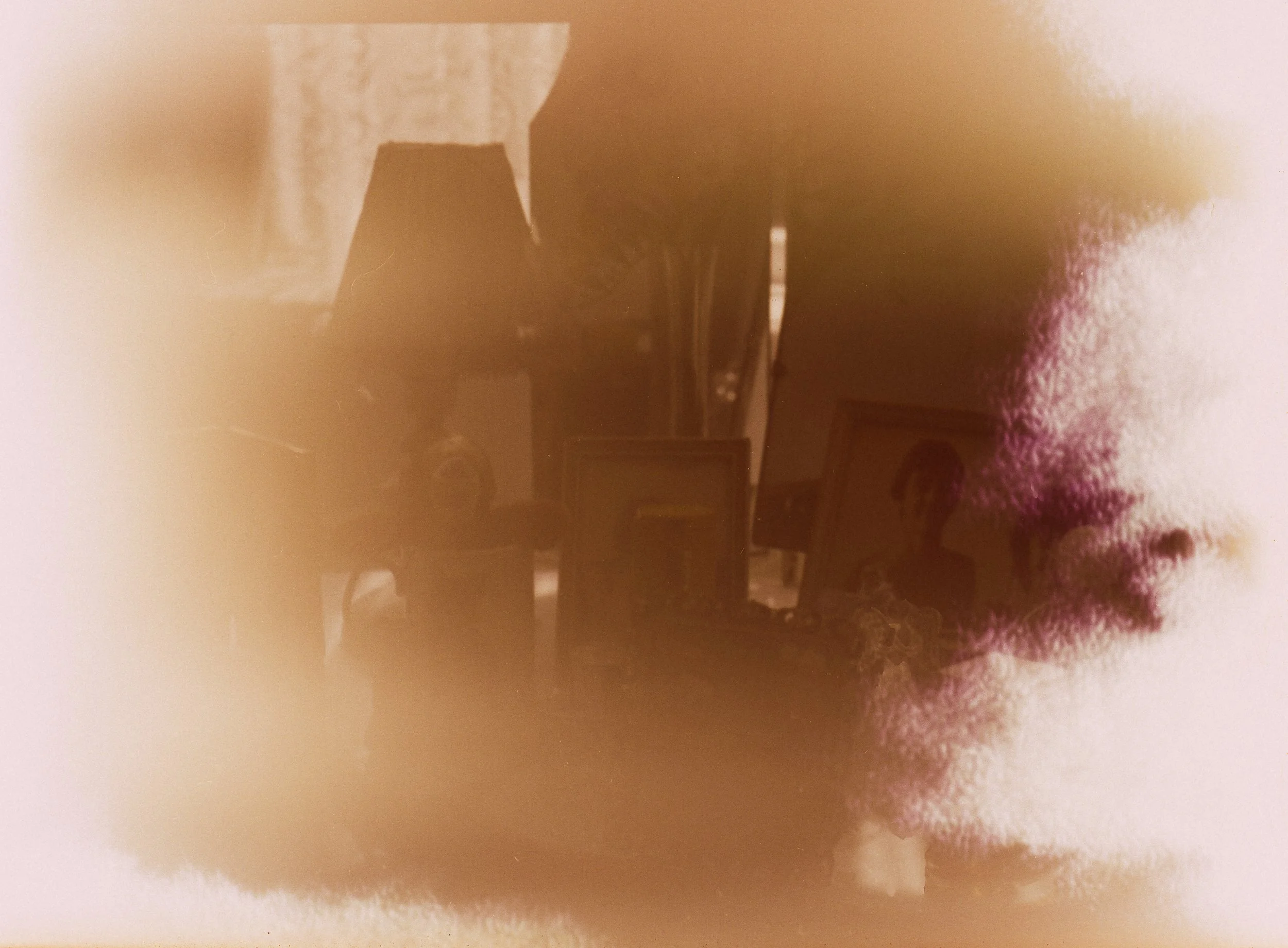
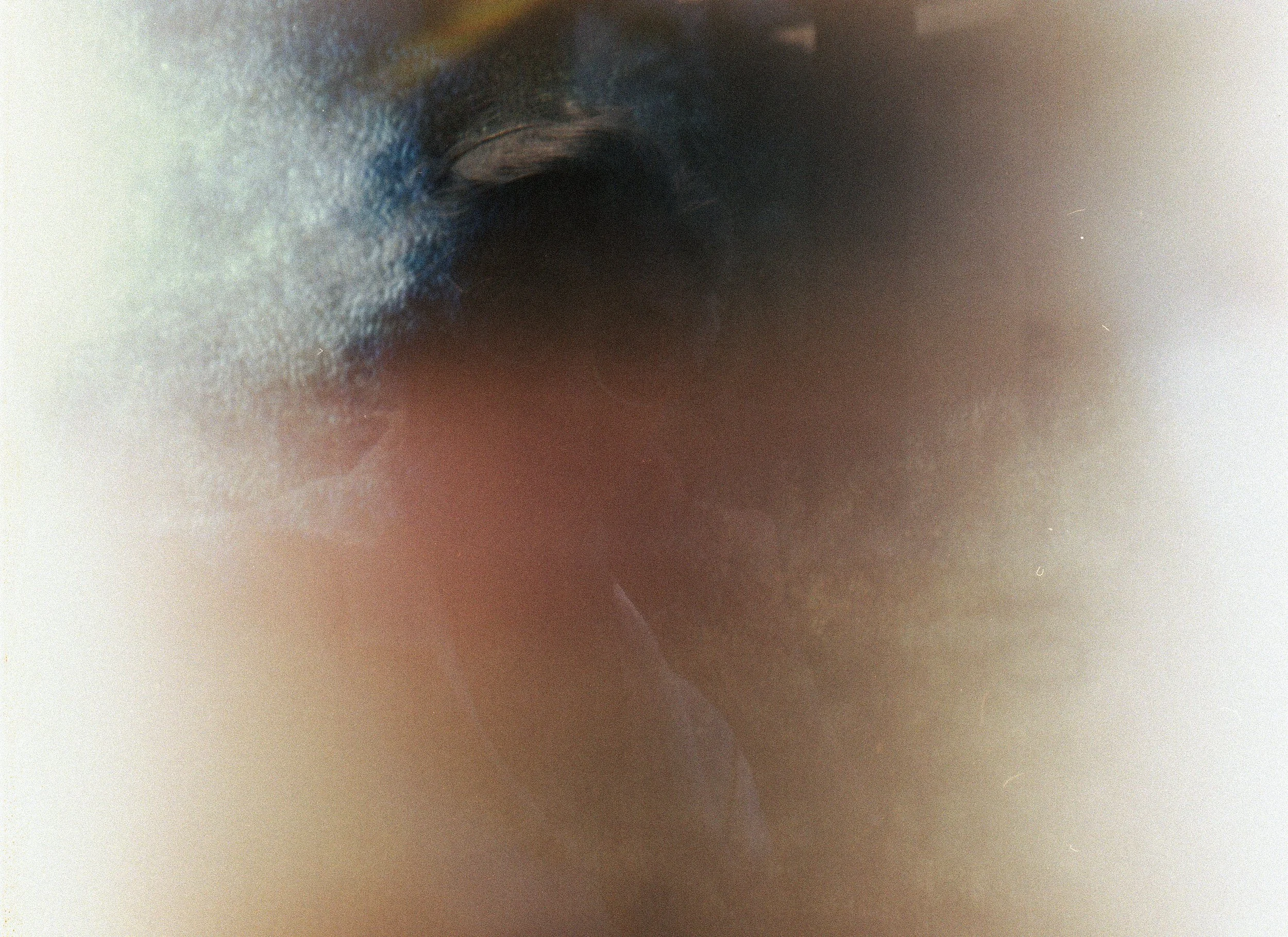
Working with analogue photography, I love the slowness of film. The delay between taking a picture and seeing it mirrors the way memory returns to her: in fragments, sometimes clear, sometimes distorted, often unexpectedly emotional. Film also brings its own beautiful errors. Light leaks bleed across some frames, as though the image itself is beginning to fade, echoing what is happening to her memory. It also gives the work a visual language that sits naturally beside the archive.
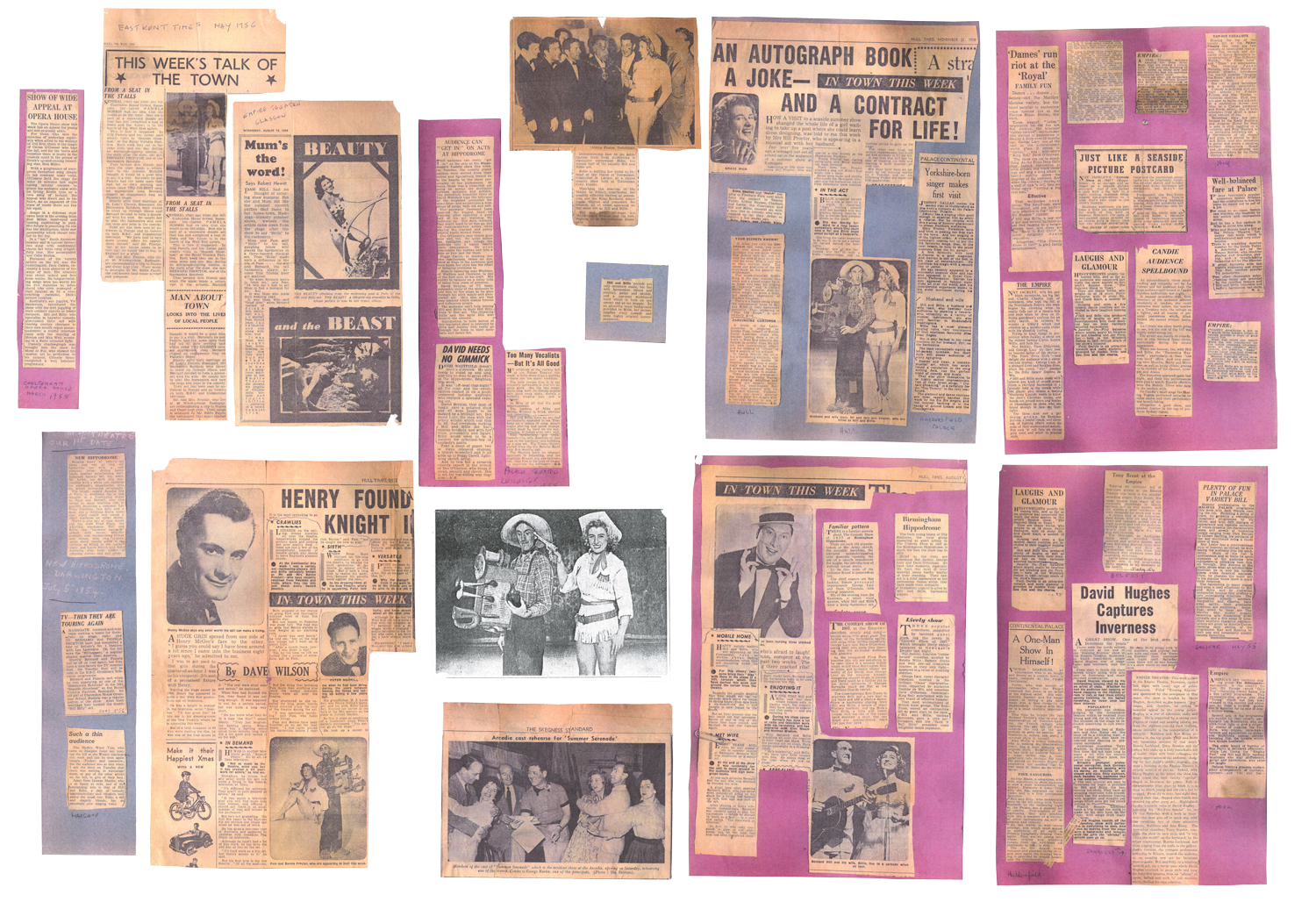
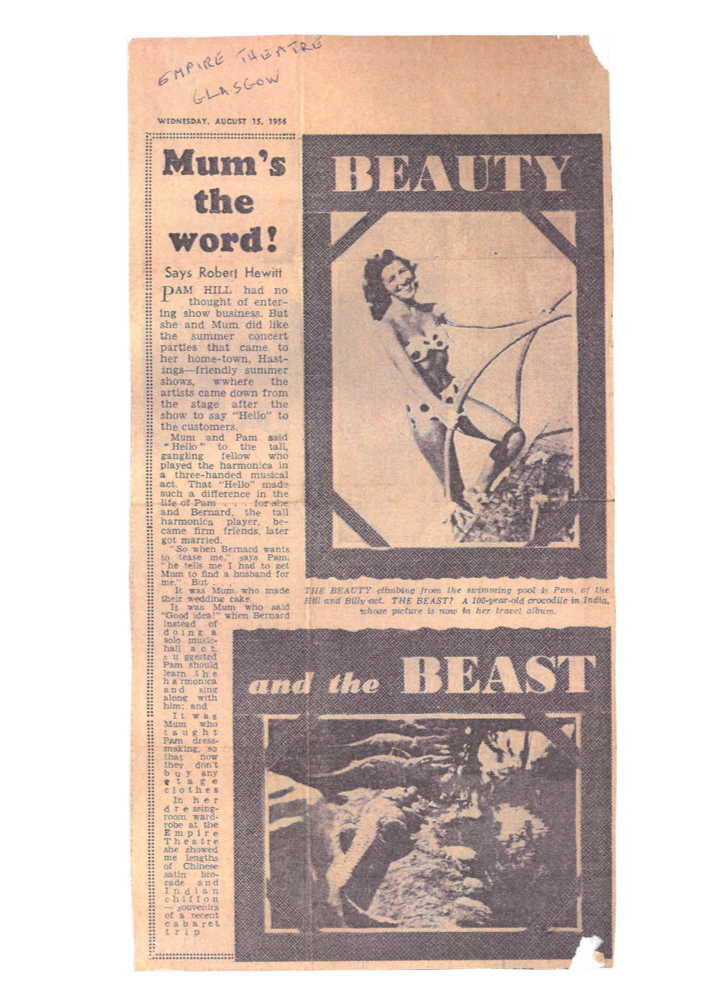
Alongside my own portraits and still lifes, I bring in newspaper clippings, photographs and memorabilia from her time on stage. Placed next to present-day images, these stop being just keepsakes. They shift in meaning, creating a dialogue between who she was and who she is now.
Together, the photographs form an intimate and observational portrait of my nan and her environment, while also reflecting on broader questions of how we remember others, what photography can preserve, and how identity persists when memory does not.
While deeply personal, the project speaks to a wider reality. Dementia is the leading cause of death in the UK, and women are disproportionately affected. Many live with it alone, having once stood at the centre of their families and communities. Dementia is often represented through clinical or reductive images. I want to offer something more intimate: a portrait that holds space for dignity, contradiction and the persistence of personality.
The work was recently exhibited publicly, and the conversations it opened with audiences about ageing, memory and care convinced me to keep going. It is a document of one woman’s life, made while it is still changing.